
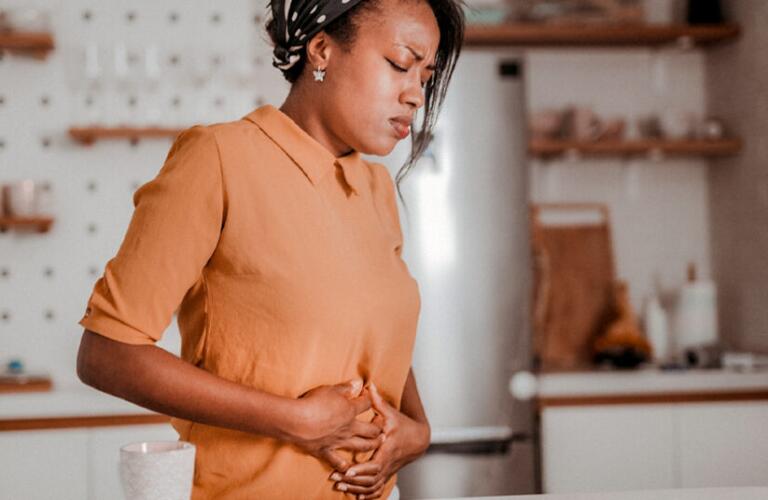
If you’ve ever had a period so heavy it disrupted your day, or a stubborn bloated belly that won’t go away no matter what you eat, you’re not alone — and it may be more than “just your body.” Uterine fibroids are one of the most common, and most under-talked-about, reproductive health conditions affecting women today. At Tafourah Medical Center, we believe every woman deserves to understand her body well enough to know when something needs a closer look.
What exactly are fibroids?
Fibroids are non-cancerous growths that develop in or on the walls of the uterus. They can be as tiny as a seed or grow large enough to change the shape of the abdomen. Some women carry fibroids for years without ever knowing, while others feel their impact on nearly every part of daily life — periods, fertility, sleep, and comfort.
What’s often missing from the conversation is just how common this condition is for African women in particular. Research shows that as many as 8 in 10 Black African women will develop fibroids by age 50, compared to roughly 7 in 10 white women — and African women are also more likely to develop multiple fibroids at once. Closer to home, a study at Mbarara Regional Referral Hospital found fibroids in nearly 3 out of every 10 women seen at the gynecology clinic, with the majority of those women reporting real, disruptive symptoms — most commonly pelvic pain and heavy periods.
This is exactly why awareness matters: fibroids are common, but suffering through them silently shouldn’t be.
The signs to watch for
1. Heavy or prolonged menstrual bleeding
This is the most widely reported fibroid symptom. It can look like periods that last far longer than usual, soaking through pads or tampons faster than normal, or passing large clots. Over time, this level of blood loss can lead to iron-deficiency anemia, leaving you constantly tired, dizzy, or short of breath.
2. Bleeding or spotting between periods
Fibroids can irritate the uterine lining and its blood vessels, causing unexpected spotting outside your normal cycle.
3. Pelvic pain or pressure
A dull ache, heaviness, or pressure in the lower abdomen is common, especially with larger fibroids. The intensity can range from mild discomfort to pain that interferes with daily activities.
4. A visibly swollen or enlarged abdomen
Because fibroids can grow the uterus itself, some women notice their lower belly appears larger or feels persistently bloated — sometimes mistaken for weight gain or even pregnancy.
5. Frequent urination or trouble emptying the bladder
When fibroids press against the bladder, they can create a constant urge to urinate, even when the bladder isn’t full.
6. Constipation or bowel pressure
Fibroids pressing on the rectum can cause constipation or a feeling of fullness in the bowel.
7. Lower back or leg pain
Larger fibroids can press on nearby nerves, including the sciatic nerve, causing pain that radiates into the back or down the legs.
8. Pain during sex
Discomfort or pain during intercourse can be a sign of fibroids, particularly when they’re positioned near the cervix or lower uterus.
9. Difficulty conceiving or pregnancy complications
Fibroids, especially those distorting the uterine cavity, have been linked to infertility, recurrent miscarriage, and preterm labor in some women.
It’s important to note: many women with fibroids have no symptoms at all, and fibroids are often discovered only during a routine pelvic exam or ultrasound. This is why regular gynecological check-ups matter — even when nothing feels “wrong.”
Why early attention matters
Left unaddressed, fibroid symptoms tend to build gradually — a heavier period here, a little more fatigue there — until they start affecting your quality of life without you quite realizing when it started. The encouraging news is that fibroids are very manageable when caught and monitored early, with treatment options ranging from simple monitoring to medication to minor procedures, depending on size, location, and how they’re affecting you.
Don’t wait to get checked
If any of these signs sound familiar, it doesn’t automatically mean you have fibroids — but it does mean it’s worth having a conversation with a gynecologist who can examine you properly and put your mind at ease either way.
At Tafourah Medical Center, our gynaecologist is available every Sunday from 9:00 AM to 9:00 PM, offering free consultations.
📍 Find us in Lugala Trading, off Ssetema Road, Uganda.
Your health is worth an hour of your Sunday. Come talk to us — no cost, no pressure, just answers.