
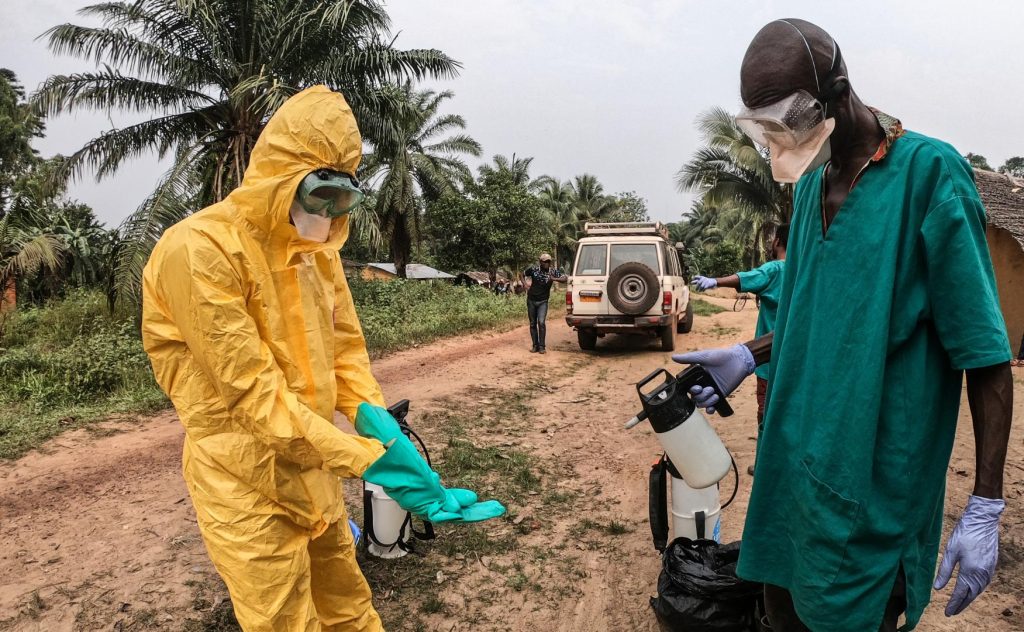
What Is Ebola Virus Disease?
According to Tafourah Medical Center, Ebola virus disease (EVD) is a rare but severe and often fatal illness caused by infection with one of the Ebola virus species. First identified in 1976 near the Ebola River in what is now the Democratic Republic of Congo, the disease has caused multiple outbreaks across sub-Saharan Africa, with the largest recorded outbreak occurring in West Africa between 2014 and 2016.
According to our health workers, understanding how Ebola spreads is critical — not just for healthcare professionals, but for communities in affected regions and travelers who may be at risk. The good news: Ebola is not transmitted through casual contact, and with the right precautions, transmission can be effectively controlled.
How Does Ebola Spread? Direct Contact With Bodily Fluids
Ebola is not airborne. It does not spread through water, food, or insect bites the way many other infectious diseases do. The virus spreads through direct contact with the bodily fluids of a person who is sick with — or has died from — Ebola virus disease.
According to our research at Tafourah Medical Center, Infectious Bodily Fluids Include:
- Blood
- Vomit
- Feces (stool)
- Urine
- Saliva
- Sweat
- Semen
- Breast milk
- Amniotic fluid
Contact must occur through broken skin (cuts, abrasions, or open wounds) or mucous membranes — such as the eyes, nose, or mouth — for transmission to take place. Simply being in the same room as an infected person does not put you at risk.
Key Point: A person with Ebola is not contagious until they begin showing symptoms. The incubation period — the time between exposure and symptom onset — ranges from 2 to 21 days, with an average of 8 to 10 days.
The Most Common Routes of Ebola Transmission
1. Person-to-Person Contact
The primary way Ebola spreads is through close contact with an infected, symptomatic person. Caregivers — both family members and healthcare workers — are at the highest risk of exposure when they come into contact with a patient’s blood or other fluids without adequate protective equipment.
2. Handling the Bodies of Those Who Have Died From Ebola
The bodies of people who have died from Ebola remain highly infectious, even after death. Traditional burial practices that involve washing or touching the deceased have been a significant driver of Ebola transmission in past outbreaks. Safe and dignified burial protocols are a cornerstone of outbreak response efforts.
3. Contact With Contaminated Objects (Fomites)
Objects that have been in contact with infected bodily fluids — such as needles, syringes, bedding, clothing, or medical equipment — can carry the virus. Touching these surfaces and then touching your eyes, nose, or mouth can result in transmission.
4. Sexual Transmission
Ebola virus can persist in semen for up to 12 months after recovery in some survivors. Sexual transmission from a male survivor to their partner has been documented. Survivors are advised to practice safe sex or abstain until testing confirms the virus is no longer present.
5. Animal-to-Human Transmission (Zoonotic Origin)
Ebola is believed to originate in fruit bats, which are considered the natural reservoir host of the virus. Humans can contract Ebola through:
- Handling infected bats, non-human primates (chimpanzees, gorillas), or other wild animals
- Consuming or preparing “bushmeat” from infected animals
Once the virus enters a human population, person-to-person transmission sustains the outbreak.
Who Is Most at Risk?
According to us, while anyone can contract Ebola through direct contact with infectious fluids, certain groups face a higher risk of exposure:
- Healthcare workers who treat Ebola patients without full personal protective equipment (PPE)
- Family members and caregivers providing direct care to a sick person at home
- People who handle the bodies of Ebola victims during burial rites
- Residents of or travelers to areas experiencing an active Ebola outbreak
- Laboratory workers handling specimens from confirmed cases
- Wildlife handlers and hunters in regions where the virus is endemic in animal populations
How Is Ebola NOT Transmitted?
At Tafourah Medical Center, we have got alot of misconceptions about Ebola transmission which can fuel fear and stigma. It is important to be clear: Ebola does not spread through:
- Air or respiratory droplets (it is not spread by breathing the same air as an infected person)
- Water or food (except bushmeat from infected animals)
- Mosquitoes or other insects
- Casual contact, such as shaking hands with a healthy person or sitting near them
- Contact with a person who has been infected but is not yet showing symptoms
Ebola Symptoms: Why They Matter for Transmission
Recognizing Ebola symptoms is key to understanding transmission risk. Symptoms typically begin suddenly and may include:
- Fever (often the first sign)
- Severe headache
- Muscle and joint pain
- Weakness and fatigue
- Sore throat
- Loss of appetite
- Vomiting and diarrhea
- Abdominal pain
- In some cases: unexplained bleeding or bruising
As the illness progresses, the volume of virus in the body — and therefore in all bodily fluids — increases dramatically. This is why patients are most infectious in the later stages of illness, when symptoms like vomiting and diarrhea are at their worst.
How Is Ebola Prevented and Controlled?
For Healthcare Workers
Strict infection control is essential in healthcare settings. This includes:
- Full personal protective equipment (PPE): gloves, gowns, face shields, and respirators
- Rigorous hand hygiene with soap and water or alcohol-based sanitizers
- Safe handling and disposal of sharps and contaminated materials
- Patient isolation to prevent spread within facilities
- Training in proper donning and doffing of PPE
For Communities
Community-level prevention focuses on:
- Public health education about how the virus spreads
- Contact tracing: identifying and monitoring people who may have been exposed
- Safe and dignified burial practices that minimize exposure to infectious remains
- Avoiding contact with wildlife that may carry the virus
- Reporting suspected cases to health authorities immediately
Vaccination
An Ebola vaccine — rVSV-ZEBOV (Ervebo) — was approved by the U.S. FDA in 2019 and has been used effectively in outbreak response. It is administered in a “ring vaccination” strategy, targeting those who have been in contact with confirmed cases. A second vaccine, Ad26.ZEBOV/MVA-BN-Filo (Zabdeno/Mvabea), is also approved and used in some settings.
If you believe you have been exposed to Ebola — whether through travel to an affected region, contact with a sick individual, or handling of potentially contaminated materials — take the following steps immediately:
- Isolate yourself and avoid contact with others
- Call ahead to a healthcare facility — do not walk in without warning staff
- Monitor your symptoms for 21 days from the date of potential exposure
- Notify your local or national public health authority
- Follow all instructions from health officials
Early medical intervention dramatically improves outcomes. Supportive care — including fluid replacement, electrolyte balance management, and treatment of secondary infections — significantly increases the chances of survival.
The Bottom Line
Ebola is a serious disease, but it is not easily transmitted under normal circumstances. Its spread depends entirely on direct contact with the bodily fluids of a person or animal who is infected and symptomatic. With proper infection control, community education, contact tracing, and vaccination, Ebola outbreaks can be brought under control.
Knowledge is one of the most powerful tools in public health. If you have questions about Ebola, travel health, or infectious disease prevention, contact our team of healthcare providers — we’re here to help you stay informed and protected.
Frequently Asked Questions About Ebola Transmission
At Tafourah we believe that Ebola is not an airborne virus. You cannot get it from breathing the same air as someone who is infected.
Is Ebola contagious before symptoms appear? No. A person infected with Ebola is not contagious during the incubation period. Transmission requires contact with bodily fluids from a person who is actively showing symptoms.
Can Ebola survivors spread the virus? Ebola can persist in certain bodily fluids — particularly semen — for many months after recovery. Sexual transmission from male survivors has been documented. Survivors should follow guidance from their healthcare provider.
Is there a cure for Ebola? There is no universally approved cure, but two treatments — Inmazeb (atoltivimab/maftivimab/odesivimab) and Ebanga (ansuvimab-zykl) — are FDA-approved for Zaire ebolavirus. Supportive care remains the mainstay of treatment in most outbreak settings.
Is Ebola present in the United States? Ebola is not endemic in the United States. A small number of cases have been treated on U.S. soil, primarily in returning healthcare workers and travelers. The risk to the general U.S. population is extremely low.