
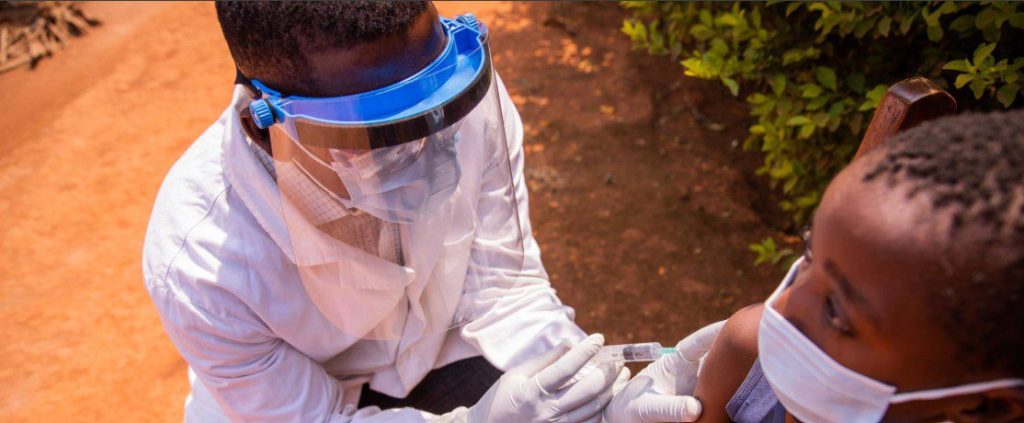
By Tafourah Medical Center
Malaria isn’t new to Uganda. Most of us have had it at least once — maybe more times than we can count. That familiarity is exactly what makes it dangerous. When something feels routine, it stops feeling urgent. And right now, malaria in Uganda is anything but under control.
Recent national data paints a sobering picture. Over 90% of Uganda’s population lives at risk of malaria, and it remains the country’s leading cause of death, especially among children. The disease drives 30 to 50% of all outpatient visits and 15 to 20% of hospital admissions nationwide. In 2024 alone, an estimated 13.2 million malaria cases and over 16,000 deaths were recorded across the country.
And the trend isn’t improving fast enough. Uganda’s 2024/25 Malaria Indicator Survey, released in March 2026, found that prevalence has actually increased in several sub-regions, particularly around Lango and the Lake Kyoga basin, where heavier rainfall has expanded mosquito breeding grounds. Health officials point to a mix of factors: climate-related shifts in rainfall, gaps in the consistent use of prevention tools, and regional differences in access to care.
The good news is that Uganda’s Ministry of Health has just launched an ambitious new roadmap — the Uganda Malaria Elimination Strategic Plan 2026–2030 — targeting zero malaria deaths and a 75% drop in cases by 2030. But strategic plans work best when they’re backed by informed households. That’s where this article comes in.
How Malaria Spreads
Malaria is caused by Plasmodium parasites, transmitted through the bite of an infected female Anopheles mosquito. It is not spread from person to person through casual contact — you cannot catch it by sitting next to someone who is sick, sharing food, or shaking hands. The only way to contract it is through a mosquito bite, or in rare cases, through contaminated blood transfusions or from mother to unborn child.
This matters because it means malaria is preventable. Every strategy below exists to break one link in that chain: stopping the mosquito from biting you in the first place.
Recognizing the Symptoms
Malaria symptoms often start mild, which is part of why people delay seeking care. Watch for:
- Fever and chills (often the first and most obvious sign)
- Headache and body aches
- Fatigue and general weakness
- Nausea, vomiting, or loss of appetite
- Sweating, followed by a return of chills
In children under five, symptoms can escalate quickly. Warning signs of severe malaria include repeated vomiting, difficulty breathing, extreme drowsiness or confusion, convulsions, pale skin or nails (a sign of severe anemia), and reduced urination. Severe malaria in children can progress to organ failure or death within hours if untreated — this is why timely treatment in the first 24 to 48 hours of fever is so critical, not just for children but for anyone with symptoms.
If you or your child develops a fever in a malaria-endemic area, the safest assumption is to get tested, not to wait it out.
Prevention: What Actually Works
1. Sleep under a treated mosquito net, every night. Insecticide-treated nets (ITNs) remain one of the most effective tools available, shown to reduce malaria incidence by up to 50% when used consistently. The challenge in Uganda hasn’t been access — distribution campaigns have expanded coverage significantly — it’s consistent use. Many households own nets but don’t use them every night, often due to discomfort in hot weather or misconceptions about safety. A net only works while you’re inside it.
2. Support indoor residual spraying (IRS) where it’s offered. In high-burden districts, government spraying programs treat the inside walls of homes with insecticide that kills mosquitoes on contact. If teams come to your area, let them in — this single measure can significantly cut transmission in a household.
3. Clear stagnant water around your home. Mosquitoes breed in still water — old tires, blocked drainage, water storage containers left uncovered. A five-minute check around your compound after rainfall goes a long way, especially now that heavier rains are expanding breeding sites in several regions.
4. Pregnant women need extra protection. Malaria in pregnancy raises the risk of miscarriage, low birth weight, and maternal anemia. Uganda’s antenatal care guidelines recommend intermittent preventive treatment (IPTp) — a preventive dose given at each scheduled antenatal visit starting from 13 weeks. If you’re pregnant, make sure this is part of your antenatal care plan, and don’t skip your ANC visits.
5. Get tested before you treat. Not every fever is malaria, and self-medicating based on guesswork can mask a different illness or lead to drug resistance. A rapid diagnostic test takes minutes and gives you a confirmed answer.
Treatment: Act Fast, Act Right
Uganda’s current treatment guidelines recommend artemether-lumefantrine (an artemisinin-based combination therapy, or ACT) as the first-line treatment for uncomplicated malaria — including for pregnant women in all trimesters. For severe malaria, injectable artesunate is the recommended first-line treatment and should be started as soon as severe disease is suspected, even before lab confirmation in emergency settings.
A few things worth remembering:
- Complete the full course of medication, even after you start feeling better. Stopping early is one of the drivers of drug resistance.
- Don’t rely on leftover medication from a previous illness. Dosing depends on the current diagnosis and, in children, on weight.
- If symptoms worsen or don’t improve within 48 hours of starting treatment, return to the clinic. Don’t wait it out at home.
The Bottom Line
Malaria is a disease Uganda has the tools to beat — but only if prevention becomes a habit, not an afterthought, and treatment starts the moment symptoms appear. The national elimination push toward 2030 depends on exactly this: households that use their nets nightly, clear breeding sites, attend antenatal care, and get tested at the first sign of fever instead of waiting.
At Tafourah Medical Center, we offer rapid malaria testing, treatment for both uncomplicated and severe cases, and antenatal care that includes preventive treatment for expectant mothers. If you or a family member has a fever, don’t guess — come get tested. Early action is what keeps a common illness from becoming a life-threatening one.
Visit Tafourah Medical Center, Lugala Trading, Kampala, for testing and treatment — because with malaria, the first 24 hours matter most.